Creative Strategist
I rarely see a project only for what it is. I'm drawn to the opportunities beyond the original brief, using AI, storytelling, and design to make complex material engaging and accessible. Strategy, technology, and thoughtful execution, together.
A Glimpse of the Work
Background
Additional honors in literary scholarship, including Sigma Tau Delta
Selected Projects
Archival Curation · Digital Experience · Featured Case Study
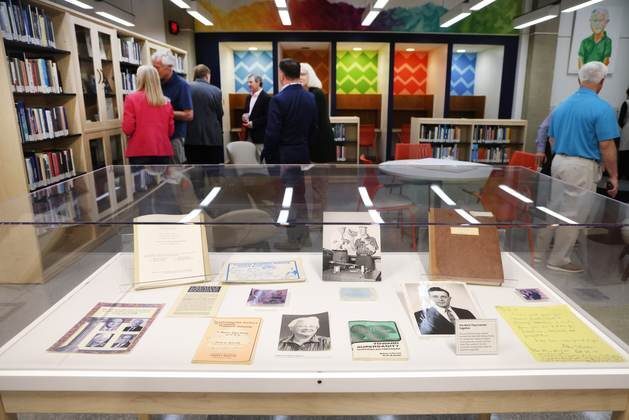
Design a physical exhibit honoring the founders of Creative Studies.
Expanded the brief into a connected physical and digital experience, built around visitor-centered questions.
Led design and content strategy end to end, from artifact selection to digital experience.
A physical exhibit paired with a companion website and an AI-powered Curiosity Cabinet for extended exploration.
The Challenge
Contracted by SUNY Buffalo State, I was brought in to help bring the Sidney and Bea Parnes Archival Collection to life for the Center for Applied Imagination. The brief was straightforward: design a physical exhibit honoring the founders of the field of Creative Studies.
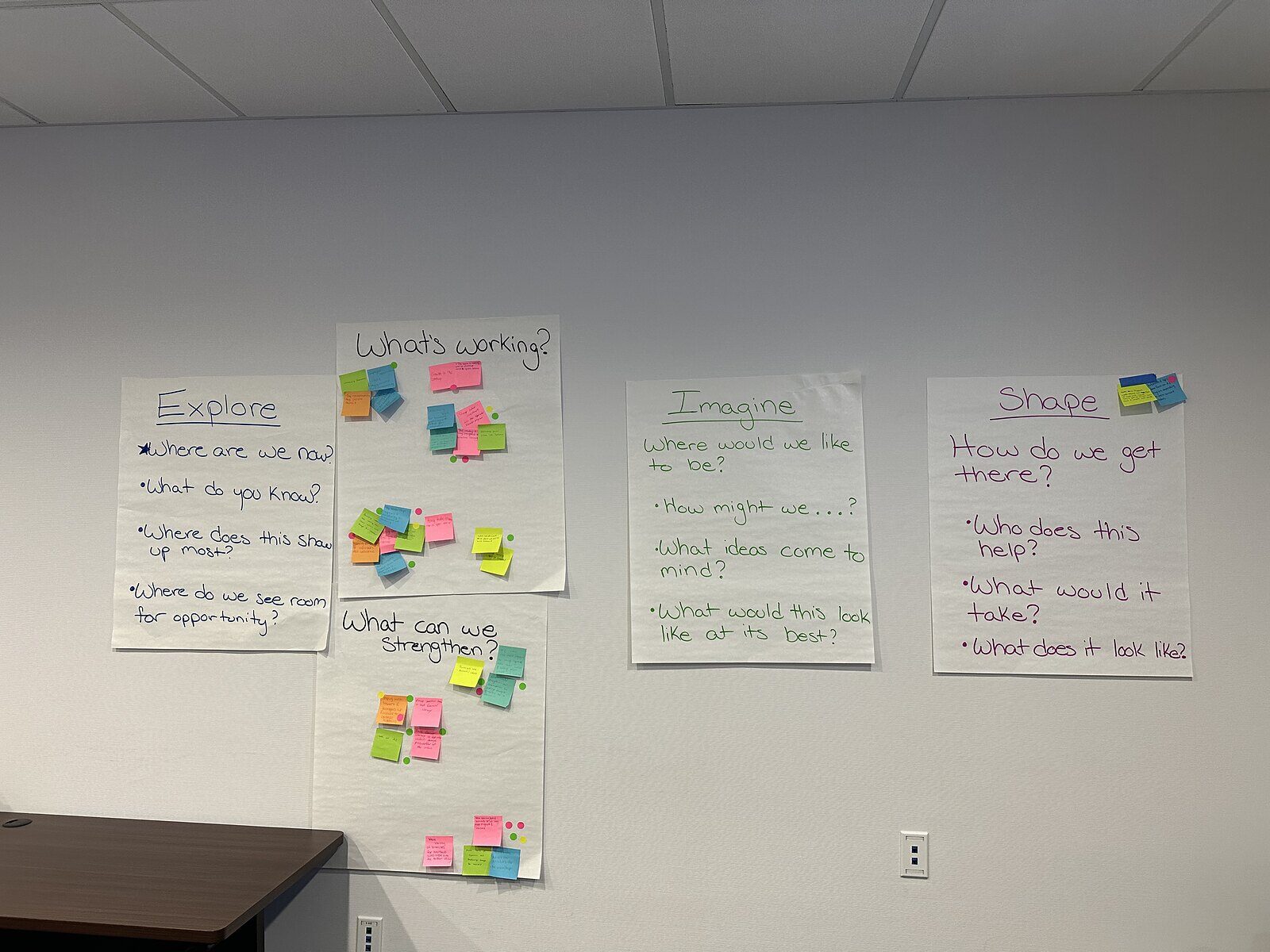
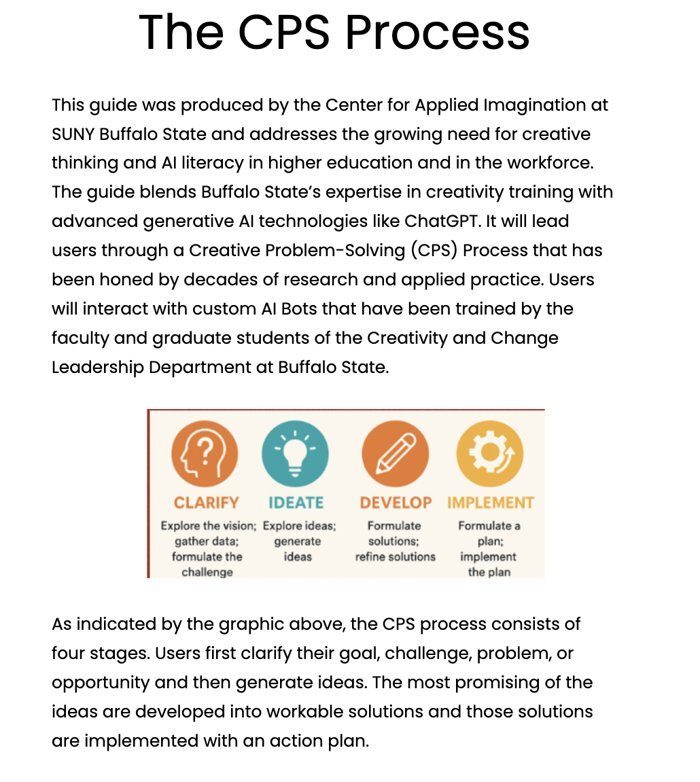
Creative Problem Solving, or CPS, is a structured methodology for innovation and creative thinking, developed at Buffalo State.
Seeing the Opportunity
While my original role centered on designing the archival exhibition, I couldn't stop thinking about everything visitors would never see. The display cases could only hold a fraction of the collection, and the story felt too rich to end at the gallery walls. Rather than treating the brief as the finish line, I proposed expanding the experience through a companion website, custom AI tools, and interactive digital elements that would allow visitors to engage with the collection before, during, and after their visit.
Questions That Guided Me
My best work starts with questions circling in my mind. A few were:
Where should visitors begin?
How might I capture this layered story in an emotional arc others can connect to?
How do I create continuity between the physical and digital experience?
How might I pique someone's curiosity enough to extend their learning?
Bringing It to Life
Before the Visit
The website extends the exhibition experience, giving visitors multiple entry points into the story before, during, and after they visit.
During the Visit
Inside the gallery: the physical exhibition itself, its narrative structure, artifact selection, storytelling, exhibit flow, and interpretive content. Every case and label was chosen to guide visitors through an emotional and narrative arc, helping them connect personally with the founders' work.
Beyond the Exhibition
The Curiosity Cabinet
The exhibition could only hold so much. Countless stories, artifacts, and connections remained tucked away in the archives, waiting to be discovered. I wanted to create a way for visitors to keep exploring beyond the display cases.
Inspired by the archival cabinets themselves, I designed a digital Curiosity Cabinet. Visitors could open drawers to uncover hidden stories, explore additional artifacts, and even try a creative problem-solving exercise on their own. The AI feature enabled people to explore from afar and is a place where curiosity could continue long after someone stepped away from the display.
International Facilitation · Speaking · Featured Case Study
Teach AI concepts across two sessions with limited or no internet access, without relying on participants having live technology.
Rebuilt both sessions around human facilitation and analog activities instead of live tech demos.
Sole designer and facilitator for both sessions.
Two learning experiences that made AI concepts tangible, one fully analog, the other rebuilt around human facilitation instead of live participant tech.
The Challenge
Designed and facilitated two sessions for an international audience at CREA Conference in Sestri Levante, Italy, teaching AI concepts as part of a core learning program, but without internet access for myself or the participants. Later, I encountered a similar challenge while preparing a 90-minute workshop on custom CPS chatbots, where unreliable internet meant I needed an engaging backup plan that didn't rely on live technology.
Seeing the Opportunity
Rather than viewing these constraints as limitations, I used them to rethink the learning experience. Instead of demonstrating AI, I focused on helping participants understand how AI works, why prompts matter, and why human leadership and judgment remain essential.
Bringing It to Life
AI in a Bag
I designed a fully analog learning experience that could fit inside my suitcase. Participants moved through a series of hands-on activities, each working with only part of the available information. By experiencing how an original idea changed as it passed through different stages of interpretation, they gained a tangible understanding of how prompts shape AI outputs and why specificity matters. The activity sparked rich conversations about prompting, interpretation, and the relationship between input and output, all without opening a laptop.
Custom CPS Chatbots Workshop
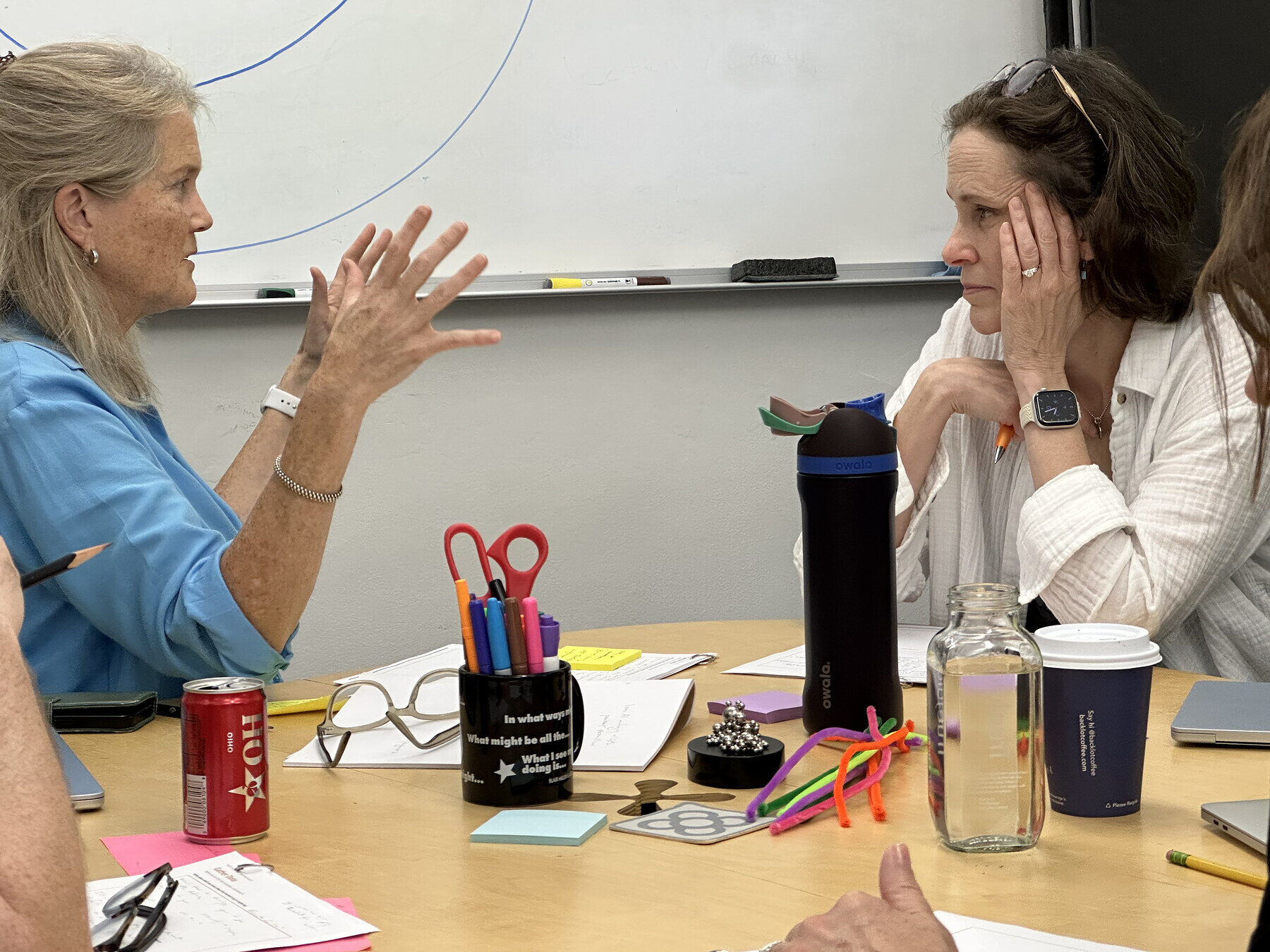
For the 90-minute session, I redesigned the format around human facilitation rather than live demonstrations. Participants first worked through the Clarify and Ideate stages together before comparing their thinking with the responses generated by the custom AI bots. Beginning with the human experience created a meaningful point of comparison, leading to thoughtful discussions about where AI added value, where it fell short, and how it could best serve as a creative thinking partner rather than a replacement.
Reflection
This experience reinforced a foundational truth: the best learning experiences depend on thoughtful design, not technology. Constraints often become invitations to think differently, and some of the most engaging moments emerge when creative thinking becomes the center of the experience.
Event Production · Conference Management
Co-managed an annual international creativity conference: speaker coordination, social media and digital marketing, registration workflows, attendee communications, and program development.
Web Design · Digital Experience
I proposed and built a dedicated website to centralize the CEE conference's workshop access, keynote information, speaker biographies, schedules, and materials into one platform, replacing a spreadsheet-based system that created friction for attendees. I've also designed user-friendly webpages for the Alex Osborn Archives, turning historical materials into something easy to navigate online.
AI Development · Learning Design
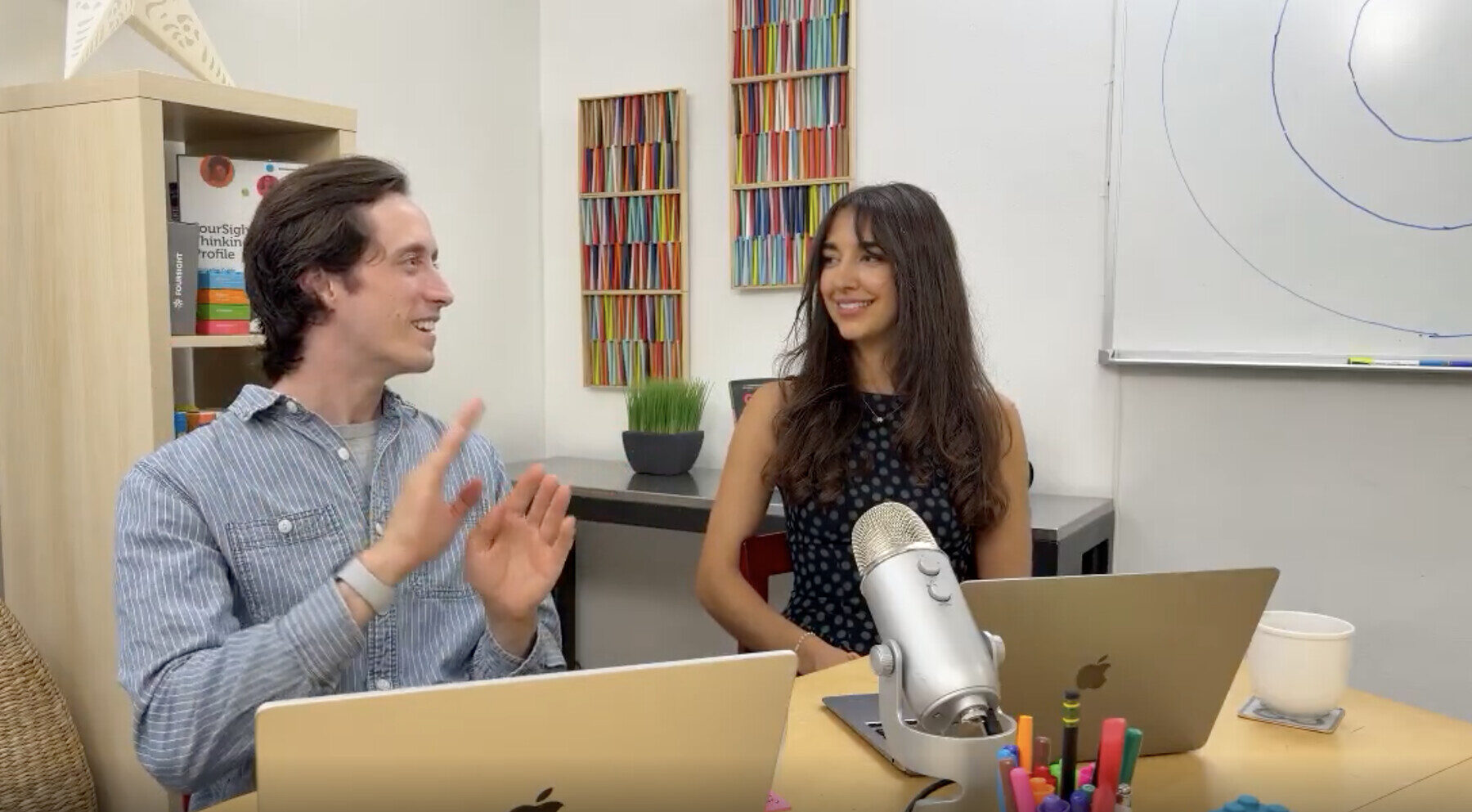
As part of a small team building custom chatbots for the Creative Problem Solving (CPS) process on a SUNY grant-funded project, I tested the bots independently, outside the project's defined scope, and identified a usability gap limiting how effectively first-time users could work with them. That finding led us to restructure and rewrite portions of the chatbot experience, resulting in a more intuitive onboarding and broader adoption.
The bots were adopted by multiple universities in the SUNY system. To support implementation, the project also included a comprehensive user guide that functioned as both a workbook and a reusable learning resource, with embedded bots that allowed users to learn and apply the Creative Problem Solving process.
AI shows up elsewhere in my work too: I proposed and produced a series of custom AI-generated welcome videos for an interactive brainstorming space, drawing on archival research and historical speeches, recreating the founders' voices through AI voice cloning, and integrating the videos into the room via QR codes.
Creative Entrepreneurship
Founder of Aurora Clementina, a floral design and European bakery business rooted in thoughtful design and meaningful experiences.
In my floral work, I enjoy finding creative solutions for weddings of all sizes and budgets. Every couple has a different story, and many don't arrive with a fully formed vision. Through conversation, Pinterest boards, and getting to know who they are, I develop a design direction that reflects their personality and relationship. More than once, after presenting a concept, I've heard, "I trust you," and been given the creative freedom to bring it to life. It has been a fascinating experience translating love, personality, and emotion into flowers.
Baking is the other half of the business: traditional European recipes with unexpected twists. A semolina shortbread pairs an English cookie with Italian flour, pressed with a Polish rolling pin; an Aperol Spritz cake tops a French yogurt cake with Aperol-soaked oranges. I take custom orders and build full dessert tables for events of up to 150 guests.
That instinct for experimentation started earlier than the business. Ten years ago, I developed, tested, and launched custom drink menus for a local tea house, building premium and bubble tea combinations around themes like Disney Princess, Pokémon, and cereal. They're still on the menu today.
Florals, baking, and recipe development all come from the same instinct: noticing what a moment calls for and building something specific to it, for someone else.
Literacy · Creative Confidence
I started by gathering data on learner needs: formal literacy assessments alongside informal, observational data from prior work with these students. That data shaped a two-month unit designed to maximize engagement, learner interest, and literacy outcomes, while building creative thinking skills and personal and academic confidence. We combined music, visualization, and imagery with classical and modern poems, then moved into their own writing, editing for meaning and practicing fluency and presence out loud.
The unit closed with a small poetry slam at a local cafe, students reading their own work to each other over hot cocoa and snacks. Many hadn't thought of themselves as writers going in. By the end, they were choosing to read their words out loud in public.
Creative Practice
I enjoy exploring different mediums, drawing inspiration from things around me and finding ways to infuse it into my work. This charcoal piece was built entirely by subtraction: drawing the page fully dark first, then working back toward the image with an eraser rather than adding marks.
That same instinct carried into renovating my own home. I had a vision that was hard for others to see at first, and spent months learning to refinish furniture, tear out tile and carpeting, and rethink layouts and color palettes to bring it to life.
Community Outreach · Founder
In high school, I founded Bags of Blessings, an outreach for people experiencing homelessness that I ran for two years and am now reviving. Through donations and self-funding, I purchased drawstring bags and filled them with immediate necessities: hats, gloves, socks, water, snack bars, and protein bars. Each bag also included a pamphlet I researched and wrote, listing local shelters, community outreach services, and churches with meal programs, so a bag could be a bridge to longer-term support, not just a one-time gift.
In 2015, I brought the project abroad, organizing a small team to assemble and distribute 100 bags on the streets of Budapest.
The Common Thread
My favorite projects rarely begin with perfect conditions. They begin with a question, a constraint, or a chance to see something differently; that space between the original brief and what the work could become is where I do my best thinking.
A decade of solo travel shaped that instinct. Museums, back roads, and conversations with people from every walk of life taught me to notice details, adapt when plans fall apart, and stay curious. It's the perspective I bring to every project.
Capabilities
Get in Touch
I'm looking for roles in learning design, content strategy, and AI-enabled experiences where I can root and contribute. If my work resonates with what you're building, I'd love to hear from you.
Open to remote, hybrid, or relocation.